Why Two Tents Both Listed as '3-4 Person' Feel Completely Different to Sleep In
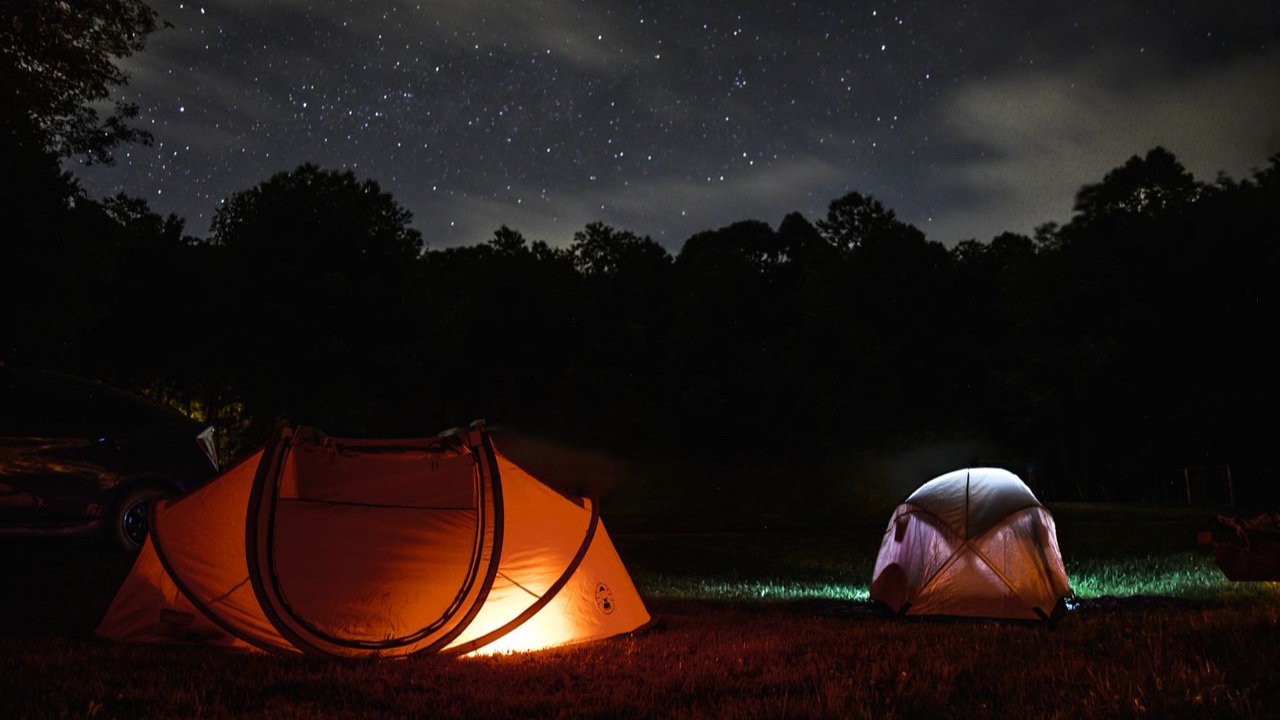
The capacity label on a tent is one of the least useful pieces of information on the packaging. “3-4 person” tells you the manufacturer’s opinion of how many sleeping bags can be arranged on the floor, measured under conditions that have nothing to do with how real people actually camp. Two tents with identical capacity labels can feel genuinely different — one comfortable for two adults with gear, one cramped for two adults without it.
For buyers sourcing tents for resale or rental, understanding what actually drives the livable space difference is what separates products that generate good reviews from ones that generate return requests.
Floor Area Numbers Are Measured at the Widest Point
The floor dimensions listed in tent specs are measured at the widest point of the floor — which is often at the tent’s perimeter, where the walls slope inward. A dome tent with a listed floor area of 4.5 square meters may have 3 or 3.5 square meters of usable flat floor space once you account for the angle where the walls meet the ground. Sleeping bags pushed into those angled corners end up with a curved surface under them, which matters more than buyers realize until they’ve slept on it.
The useful measurement is the area where an adult can lie flat and the wall above them is at least 60-70cm high — enough clearance that turning over in a sleeping bag doesn’t mean pressing against fabric. Some manufacturers include this in their specs as “sleeping area” separate from “total floor area.” Most don’t, which means the difference only becomes apparent when someone actually sets the tent up and lies down inside.
When evaluating samples for a wholesale tent order, a simple test is to put two sleeping pads side by side inside the tent and see how much floor remains. The gap between the pads and the tent walls — and whether you can realistically store two backpacks in that space — tells you more about usable capacity than the number on the label.
Peak Height Changes How the Tent Feels More Than Anything Else
A tent where two adults can sit upright comfortably is a functionally different product from one where they have to hunch or lie down every time they want to put on shoes. Peak height — the maximum interior height at the tent’s highest point — is the spec that most directly affects the user’s daily experience.
Dome tents achieve their peak height in the center and slope down from there, which means the percentage of floor area with usable headroom depends on the tent’s geometry. A tent with 130cm peak height and steep walls will feel more spacious than a tent with 140cm peak height and shallow walls, because the steep walls preserve headroom across a larger portion of the floor.
Cabin-style tents with near-vertical walls maximize usable headroom but typically require more poles and more complex setup. This is one of the design tradeoffs buyers should understand before specifying for a particular use case — a rental company that wants renters to set up their own tents may prefer a simpler dome, even at the cost of some interior comfort.
Vestibule Design Is What Buyers Overlook Most Often
The vestibule — the covered space between the inner tent door and the outer fly — is where gear lives in a well-designed camping tent. Boots, wet jackets, cooking equipment during light rain, backpacks that don’t need to be inside: all of this ends up in the vestibule, and its size determines whether the interior stays livable or fills up with everything that has nowhere else to go.
A tent with no vestibule forces everything inside. A tent with a vestige of a vestibule — 40-50cm of depth — is better than nothing but doesn’t meaningfully change the situation. A tent with a full vestibule of 0.8-1.2 square meters allows two people to keep their gear outside the sleeping area and still have it protected from weather.
For buyers targeting family camping or multi-night use, vestibule size is worth evaluating as carefully as floor area. The end customer is going to figure out, during their first camping trip, whether the tent accommodates how they actually live in it. If the vestibule is inadequate, they’ll remember that before they remember the color or the pole material.
What to Compare When Evaluating Capacity Claims
When wholesale tent sourcing involves comparing models from different manufacturers, the useful comparison points aren’t the capacity label — they’re the inner floor area (not total floor area), the peak height, the vestibule area, and the number and placement of interior pockets and gear loops.
Interior organization features matter because they determine whether the tent interior stays organized or becomes a pile of loose items. A tent with four interior pockets and two gear loops gives two people places to put the things that would otherwise end up underfoot. A tent with no interior storage organization means headlamps, phones, and wallets go on the floor, under sleeping bags, or get lost.
None of these features appear in most spec comparisons because they’re hard to reduce to a single number. But they’re the difference between a tent that earns repeat purchases and word-of-mouth recommendations, and one that technically fits two sleeping bags and doesn’t do much else.